Effective Safety Training Methods: Beyond Traditional Classroom Learning
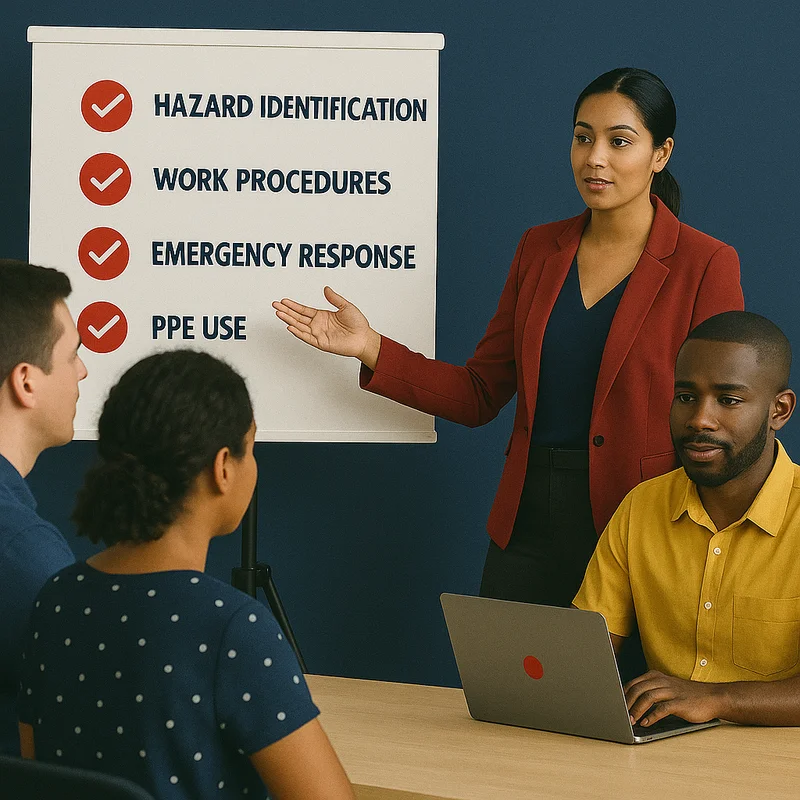
Traditional classroom-based safety training, while still valuable, is no longer sufficient to meet the diverse learning needs of today's workforce. Modern safety training must be engaging, memorable, and directly applicable to real-world situations. This comprehensive guide explores innovative training methods that significantly improve learning retention, skill application, and overall safety performance.
The Evolution of Safety Training
Safety training has evolved from simple lecture-based presentations to sophisticated, multi-modal learning experiences. The CCOHS guidelines on training program design reflect this shift, emphasizing that effective programs must go beyond lectures to include hands-on, scenario-based approaches.
Limitations of Traditional Training Methods
- Poor Retention Rates: Studies show only 10-20% retention from lecture-only formats
- Limited Engagement: Passive learning fails to maintain attention and interest
- Theoretical Focus: Difficulty connecting concepts to real-world applications
- One-Size-Fits-All: Doesn't accommodate different learning styles and preferences
- Scheduling Challenges: Difficult to coordinate group training sessions
Studies show only 10-20% retention from lecture-only safety training. The question isn't whether you trained workers — it's whether they remember what matters when it counts.
Adult Learning Principles in Safety Training
Effective safety training must align with how adults learn best, incorporating proven adult learning principles:
Key Adult Learning Principles
- Relevance: Training must be directly applicable to the learner's job role
- Experience-Based: Building on existing knowledge and experiences
- Problem-Solving Focus: Addressing real workplace challenges and scenarios
- Self-Direction: Allowing learners some control over their learning pace and path
- Motivation: Understanding and addressing what motivates each learner
Learning Style Accommodation
- Visual Learners: Diagrams, infographics, videos, and visual demonstrations
- Auditory Learners: Discussions, podcasts, verbal instructions, and group activities
- Kinesthetic Learners: Hands-on practice, simulations, and physical demonstrations
- Reading/Writing Learners: Written materials, note-taking, and text-based resources
Virtual Reality and Immersive Training
Virtual Reality (VR) represents one of the most significant advances in safety training technology, offering risk-free environments for practicing dangerous scenarios.
Benefits of VR Safety Training
- Safe Practice Environment: Experience dangerous situations without physical risk
- Repeatable Scenarios: Practice the same situation multiple times for skill mastery
- Immediate Feedback: Real-time correction and guidance during training
- Consistent Delivery: Standardized training experience across all participants
- Emotional Engagement: Realistic scenarios create emotional memory connections
VR Training Applications
- Emergency Response Drills: Fire evacuations, chemical spills, and medical emergencies
- Equipment Operation: Heavy machinery, fall protection, and complex procedures
- Hazard Recognition: Identifying dangers in realistic workplace environments
- Confined Space Entry: Safe entry and emergency procedures practice
- Height Work Training: Fall protection and rescue scenarios
Online Safety Certification Courses
From WHMIS to Working at Heights, our courses combine modern learning methods with Canadian regulatory compliance. Train your team on their schedule.
View Courses →Microlearning and Just-in-Time Training
Microlearning breaks complex safety topics into bite-sized, focused learning modules that can be completed in 5-15 minutes.
Microlearning Advantages
- Improved Retention: Shorter sessions enhance memory consolidation
- Flexible Scheduling: Can be completed during brief work breaks
- Focused Content: Each module addresses a specific learning objective
- Mobile Accessibility: Learning can occur anywhere, anytime
- Reinforcement Friendly: Easy to revisit and refresh knowledge
Just-in-Time Training Applications
- Pre-Task Briefings: Quick safety reminders before specific tasks
- Equipment-Specific Training: Accessing training when using specific equipment
- Refresher Modules: Quick reviews of key safety concepts
- Emergency Procedures: Immediate access to emergency response steps
- Seasonal Training: Weather-specific or seasonal safety reminders
Gamification and Interactive Learning
Gamification applies game design elements to safety training, increasing engagement and motivation through competition, achievement, and progress tracking.
Gamification Elements
- Points and Scoring: Earning points for completing training modules and quizzes
- Badges and Achievements: Recognition for reaching training milestones
- Leaderboards: Friendly competition among team members
- Progress Tracking: Visual representation of learning progress
- Scenarios and Challenges: Problem-solving through game-like scenarios
Interactive Learning Tools
- Branching Scenarios: Decision-based learning with multiple outcomes
- Drag-and-Drop Activities: Interactive sorting and categorization exercises
- Virtual Assessments: Practical skill testing in simulated environments
- Collaborative Challenges: Team-based problem-solving activities
- Real-Time Polling: Interactive questions during live training sessions
Blended Learning Approaches
Blended learning combines multiple training methods to create comprehensive, flexible learning experiences that accommodate different preferences and schedules.
Blended Learning Components
- Online Modules: Self-paced theoretical content and knowledge checks
- Instructor-Led Sessions: Face-to-face discussions and complex topic exploration
- Hands-On Practice: Physical skill development and equipment training
- Peer Learning: Group discussions and knowledge sharing sessions
- Assessment Variety: Multiple assessment methods to verify competency
Implementation Strategies
- Flipped Classroom: Online preparation followed by interactive in-person application
- Progressive Modules: Building complexity through sequential learning stages
- Competency-Based Progression: Advancing based on demonstrated skills rather than time
- Personalized Pathways: Customized learning routes based on role and experience
Simulation-Based Training
High-fidelity simulations provide realistic training environments without the associated risks of actual dangerous situations.
Types of Safety Simulations
- Computer-Based Simulations: Software-based scenarios and decision-making exercises
- Physical Mock-Ups: Realistic replicas of actual work environments
- Mixed Reality Training: Combining physical and digital elements
- Crisis Simulations: Full-scale emergency response exercises
- Equipment Simulators: Realistic operation of machinery and tools
Simulation Benefits
- Risk-Free Learning: Practice dangerous procedures safely
- Realistic Consequences: Understanding the results of poor decisions
- Stress Inoculation: Building confidence for real emergency situations
- Skill Refinement: Repeated practice until procedures become automatic
- Team Coordination: Practicing group responses and communication
Mobile Learning and Accessibility
Mobile learning platforms make safety training accessible anytime, anywhere, supporting both formal training and informal learning moments.
Mobile Learning Features
- Offline Capability: Access training content without internet connectivity
- Push Notifications: Timely safety reminders and training alerts
- Quick Reference: Instant access to safety procedures and checklists
- Photo/Video Capture: Documenting safety issues for training purposes
- Social Learning: Sharing experiences and asking questions through platforms
Accessibility Considerations
- Multi-Language Support: Training available in multiple languages
- Literacy Accommodation: Visual and audio alternatives for text-heavy content
- Disability Accommodation: Screen reader compatibility and alternative input methods
- Bandwidth Optimization: Content optimized for varying internet speeds
- Device Compatibility: Training accessible across different devices and platforms
Competency-Based Training Assessment
Moving beyond traditional testing to comprehensive competency assessment that verifies both knowledge and practical application skills.
Assessment Methods
- Practical Demonstrations: Hands-on skill assessment in realistic settings
- Portfolio Assessment: Collection of work samples demonstrating competency
- Peer Evaluation: Team members assessing each other's safety performance
- Observation Checklists: Structured observation of safety behaviors
- Scenario-Based Testing: Problem-solving in realistic safety situations
Continuous Assessment Strategies
- Micro-Assessments: Frequent, brief competency checks
- Progressive Assessment: Building complexity through assessment stages
- Self-Assessment Tools: Learner-driven competency evaluation
- Real-Time Feedback: Immediate correction and guidance
- Adaptive Testing: Assessment difficulty adjusting based on performance
Peer-to-Peer Learning and Mentorship
Leveraging the experience and knowledge of senior workers to train and support newer employees through structured peer learning programs.
Peer Learning Models
- Buddy Systems: Pairing experienced workers with new employees
- Safety Champions: Trained peer leaders promoting safety best practices
- Learning Circles: Small groups discussing safety challenges and solutions
- Storytelling Sessions: Sharing experiences and lessons learned
- Cross-Training Programs: Workers teaching each other specialized skills
Mentorship Program Elements
- Mentor Training: Developing coaching and teaching skills
- Structured Programs: Clear objectives and timeline for mentorship
- Regular Check-ins: Monitoring progress and addressing challenges
- Recognition Systems: Acknowledging mentor contributions and achievements
- Knowledge Transfer: Systematic sharing of tacit knowledge and experience
Training Effectiveness Measurement
Systematic approaches to measuring training effectiveness and return on investment in safety education programs.
The most effective safety training programs combine multiple methods, leverage technology appropriately, and continuously evolve based on feedback and results.
Kirkpatrick's Four-Level Evaluation Model
- Level 1 - Reaction: Participant satisfaction and engagement with training
- Level 2 - Learning: Knowledge acquisition and skill development
- Level 3 - Behavior: Application of training in actual work situations
- Level 4 - Results: Measurable business outcomes and safety improvements
Key Performance Indicators
- Knowledge Retention: Long-term retention of safety information
- Behavior Change: Observable improvements in safety behaviors
- Incident Reduction: Decrease in workplace accidents and near-misses
- Compliance Rates: Adherence to safety procedures and regulations
- Employee Engagement: Participation in safety initiatives and reporting
Implementation Best Practices
Proven strategies for successfully implementing innovative safety training methods in various organizational contexts.
Change Management
- Leadership Support: Visible executive commitment to training innovation
- Stakeholder Engagement: Involving workers in training design and evaluation
- Gradual Implementation: Phased rollout allowing for adjustment and improvement
- Communication Strategy: Clear explanation of benefits and expectations
- Resistance Management: Addressing concerns and barriers to adoption
Technology Integration
- Infrastructure Assessment: Ensuring adequate technical capabilities
- User Training: Teaching employees how to use new training technologies
- Support Systems: Technical help and troubleshooting resources
- Pilot Programs: Small-scale testing before full implementation
- Continuous Updates: Keeping technology current and relevant
Future Trends in Safety Training
Emerging technologies and methodologies that will shape the future of safety education:
Emerging Technologies
- Artificial Intelligence: Personalized learning paths and intelligent tutoring systems
- Augmented Reality: Real-time safety information overlaid on work environments
- Blockchain Certification: Secure, verifiable training credentials
- Biometric Monitoring: Real-time stress and attention measurement during training
- Voice-Activated Learning: Hands-free training delivery and interaction
Cost-Benefit Considerations
Evaluating the financial investment and returns of implementing advanced safety training methods:
Investment Categories
- Technology Costs: Hardware, software, and platform licensing
- Content Development: Creating custom training materials and scenarios
- Training Delivery: Instructor time and training facility expenses
- Implementation Support: Change management and technical assistance
- Ongoing Maintenance: Updates, support, and continuous improvement
Return on Investment Factors
- Reduced Incidents: Lower accident rates and associated costs
- Improved Compliance: Reduced regulatory fines and penalties
- Enhanced Productivity: More efficient and confident workers
- Lower Turnover: Reduced recruitment and training costs
- Insurance Benefits: Potential reductions in insurance premiums
Conclusion
The future of safety training lies in innovative, engaging methods that go far beyond traditional classroom learning. By incorporating virtual reality, microlearning, gamification, and other advanced techniques, organizations can create training programs that are more effective, memorable, and directly applicable to real-world safety challenges.
The key to success is not simply adopting new technologies, but thoughtfully integrating them into comprehensive training programs that address the diverse learning needs of today's workforce. The most effective safety training programs combine multiple methods, leverage technology appropriately, and continuously evolve based on feedback and results.
As workplace safety challenges continue to evolve, so too must our approaches to safety education. Organizations that invest in innovative training methods today will build safer, more competent workforces that are better prepared to handle the challenges of tomorrow.