Technology Trends Transforming Mining Safety in Canada
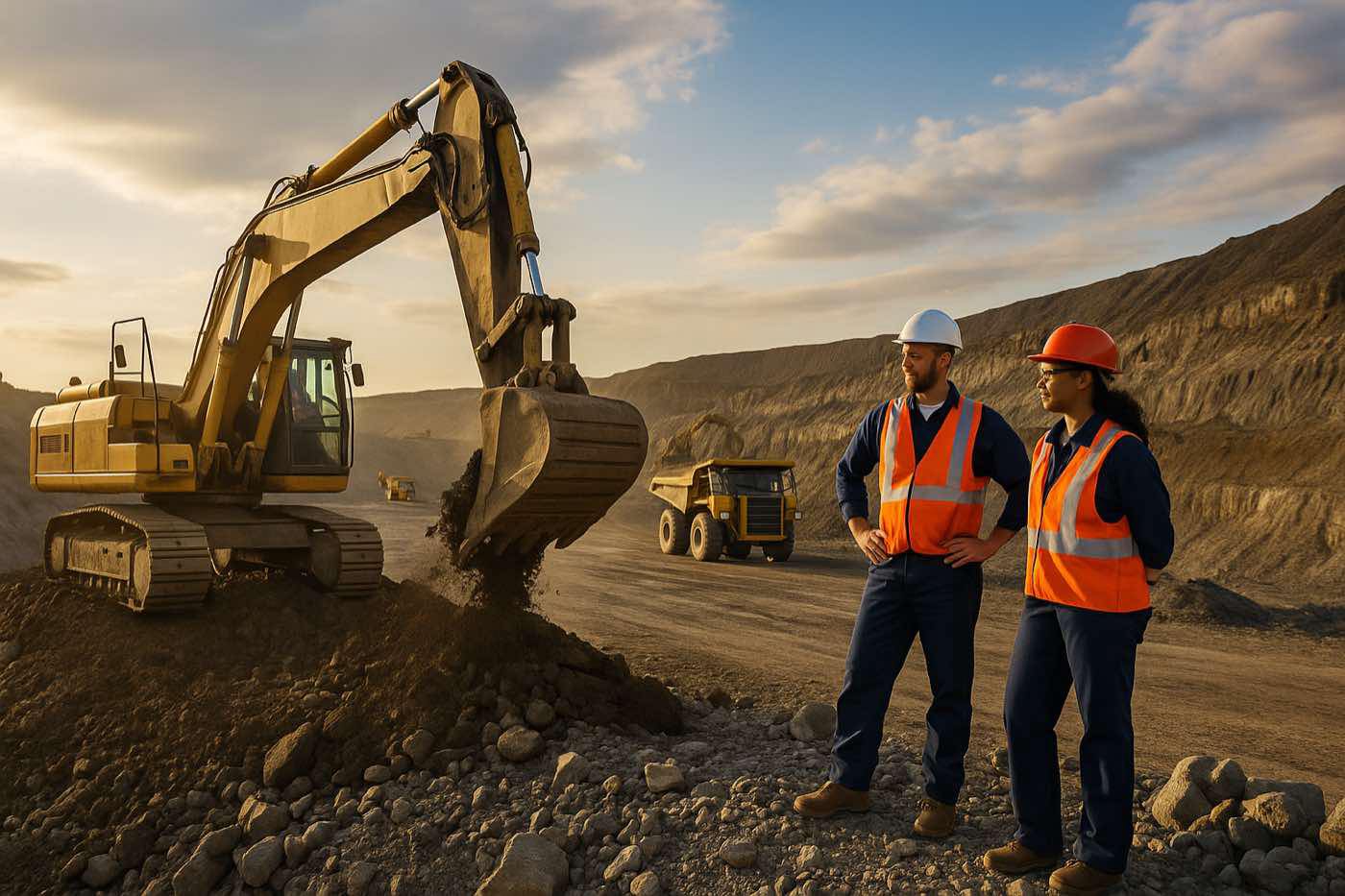
Canada's mining industry is experiencing a technological revolution that's fundamentally changing how we approach workplace safety. From IoT sensors detecting hazardous gases to AI-powered systems predicting equipment failures, innovative technologies are making Canadian mines safer, more efficient, and more sustainable than ever before.
From IoT sensors detecting hazardous gases to AI-powered systems predicting equipment failures before they happen — technology is eliminating the conditions that cause catastrophic mining incidents.
The Digital Transformation of Mining Safety
The integration of digital technologies in Canadian mining operations has accelerated dramatically in recent years, as documented by the Mining Association of Canada. This shift is driven by several factors including stringent safety regulations, the need to operate in increasingly remote locations, and the industry's commitment to zero-harm workplace cultures.
Key Drivers of Technology Adoption
- Regulatory Compliance: Meeting evolving provincial and federal safety standards
- Remote Operations: Supporting mining activities in Canada's vast northern territories
- Skilled Worker Shortages: Automating tasks to reduce human exposure to risk
- Economic Pressures: Improving efficiency while maintaining safety excellence
Internet of Things (IoT) in Mining Safety
IoT sensors are becoming the nervous system of modern mining operations, providing real-time data on environmental conditions, equipment status, and worker safety.
Environmental Monitoring
- Air Quality Sensors: Continuous monitoring of dust, gases, and oxygen levels
- Temperature and Humidity: Preventing heat stress and maintaining optimal working conditions
- Vibration Monitoring: Early detection of ground instability or equipment issues
- Noise Level Tracking: Ensuring compliance with occupational hearing protection standards
Personal Safety Monitoring
- Wearable Devices: Smart helmets and vests monitoring vital signs
- Location Tracking: Real-time worker positioning for emergency response
- Fall Detection: Automatic alerts when workers experience falls or impacts
- Fatigue Monitoring: Detecting signs of worker exhaustion before incidents occur
Artificial Intelligence and Machine Learning
AI technologies are revolutionizing safety management by predicting incidents before they occur and optimizing safety protocols based on data analysis.
Predictive Maintenance
- Equipment Health Monitoring: AI algorithms analyzing machinery performance data
- Failure Prediction: Identifying potential equipment failures before they cause accidents
- Maintenance Optimization: Scheduling repairs to minimize safety risks and downtime
- Parts Inventory Management: Ensuring critical safety components are always available
Risk Assessment and Analytics
- Pattern Recognition: Identifying trends in safety data to prevent incidents
- Risk Scoring: Quantifying safety risks across different mining operations
- Dynamic Safety Planning: Adjusting safety protocols based on real-time conditions
- Incident Prediction: Using historical data to forecast potential safety issues
Mining Safety Program Development & Technology Integration
Our mining safety specialists help Canadian operations align new technologies with provincial OHS requirements — building safety programs that use data, not just documentation, to protect workers.
Book a Consultation →Automation and Robotics
Automated systems are removing workers from high-risk situations while maintaining operational efficiency.
Remote-Controlled Equipment
- Autonomous Vehicles: Self-driving trucks and loaders reducing human exposure
- Remote Drilling: Operating drilling equipment from safe control rooms
- Automated Blasting: Precise, computer-controlled explosives handling
- Robotic Inspection: Drones and robots accessing dangerous areas
Safety-Critical Automation
- Emergency Shutdown Systems: Automatic equipment shutdown during safety alerts
- Ventilation Control: Automated air quality management systems
- Fire Suppression: Rapid-response automated fire protection
- Access Control: Biometric and smart card safety zone management
Augmented and Virtual Reality
AR and VR technologies are transforming safety training and operational support in mining environments.
Training Applications
- Virtual Emergency Drills: Realistic emergency scenario training without risk
- Equipment Operation Training: Safe learning environments for complex machinery
- Hazard Recognition: Immersive training for identifying workplace dangers
- Procedure Walkthroughs: Step-by-step safety protocol training
Operational Support
- AR Safety Information: Real-time safety data overlaid on equipment
- Remote Assistance: Expert guidance through AR headsets
- Maintenance Instructions: Visual guidance for safe equipment servicing
- Emergency Navigation: AR-guided evacuation routes
Mining companies that invest in safety technology today will not only protect their most valuable asset — their workers — but will also position themselves for sustainable growth in an increasingly regulated industry.
Canadian Mining Technology Leaders
Several Canadian companies are at the forefront of mining safety technology innovation:
Technology Innovators
- Barrick Gold: Pioneering autonomous vehicle fleets and predictive maintenance
- Teck Resources: Implementing comprehensive IoT sensor networks
- Vale Canada: Advanced AI-powered safety monitoring systems
- Agnico Eagle: Leading VR training program development
Implementation Challenges and Solutions
While technology offers tremendous benefits, successful implementation requires addressing several challenges:
Common Implementation Challenges
- Connectivity Issues: Limited internet and cellular coverage in remote locations
- Harsh Environments: Extreme temperatures, dust, and moisture affecting equipment
- Worker Acceptance: Overcoming resistance to new technologies
- Integration Complexity: Connecting new systems with legacy equipment
- Cybersecurity: Protecting critical safety systems from cyber threats
Best Practices for Success
- Phased Implementation: Gradual rollout allowing for testing and refinement
- Worker Training: Comprehensive education programs for new technologies
- Change Management: Clear communication about benefits and expectations
- Robust Infrastructure: Investing in reliable power and communication systems
- Vendor Partnerships: Working with experienced technology providers
Regulatory Considerations
Technology adoption in mining must align with Canadian safety regulations:
Federal and Provincial Requirements
Mining operations must comply with requirements under the Ontario Mining Act, Alberta OHS Code, and their respective provincial equivalents, while also meeting Natural Resources Canada federal standards.
- Mine Safety Standards: Ensuring technology compliance with existing regulations
- Data Privacy: Protecting worker information collected by monitoring systems
- Equipment Certification: Meeting safety standards for new technological devices
- Emergency Response: Integrating technology with required emergency procedures
Future Trends and Emerging Technologies
The next wave of mining safety technology promises even greater advances:
Emerging Technologies
- 5G Networks: Ultra-fast, low-latency communication for real-time safety systems
- Digital Twins: Virtual mine models for safety planning and incident simulation
- Blockchain: Secure, immutable safety records and compliance tracking
- Advanced AI: More sophisticated predictive models and autonomous decision-making
- Quantum Computing: Complex optimization of safety systems and risk calculations
Economic Impact and ROI
Technology investments in mining safety deliver significant returns:
Quantifiable Benefits
- Incident Reduction: Documented decreases in workplace injuries and fatalities
- Productivity Gains: Improved efficiency through automated safety systems
- Insurance Savings: Lower premiums due to improved safety records
- Regulatory Compliance: Reduced fines and regulatory interventions
- Talent Attraction: Modern, safe workplaces attracting skilled workers
Building a Technology-Enhanced Safety Culture
Successful technology implementation requires cultural transformation:
Cultural Change Strategies
- Leadership Commitment: Executive support for technology-driven safety initiatives
- Worker Empowerment: Training workers to use technology for their own safety
- Continuous Improvement: Regular evaluation and enhancement of technological systems
- Data-Driven Decisions: Using technology-generated insights for safety management
Conclusion
Technology is fundamentally transforming mining safety in Canada, offering unprecedented opportunities to protect workers, improve operations, and advance the industry's safety culture. From IoT sensors providing real-time environmental monitoring to AI systems predicting equipment failures, these innovations are making Canadian mines safer and more efficient.
The successful implementation of these technologies requires careful planning, worker training, and a commitment to continuous improvement. As the industry continues to evolve, embracing technological innovation will be essential for maintaining Canada's position as a global leader in mining safety.
Mining companies that invest in these technologies today will not only protect their most valuable asset—their workers—but also position themselves for sustainable growth in an increasingly competitive and regulated industry.