Northern Canada HSE Consultant — Yukon, NWT & Nunavut Safety Advisor
Expert workplace safety consulting and WSCC compliance services for Canada's Northern Territories. Specialized HSE solutions for mining, remote construction, oil & gas, and fly-in fly-out operations across NWT, Nunavut, and Yukon.
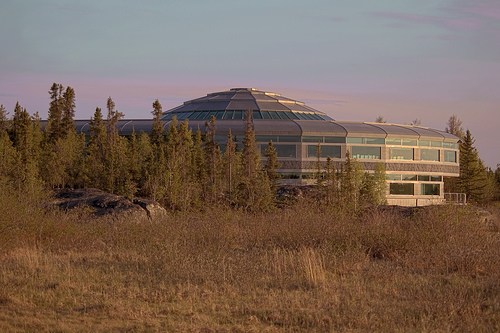
Professional HSE Consulting for Canada's Northern Territories
Canada's Northern Territories — the Northwest Territories, Nunavut, and Yukon — present some of the most demanding occupational health and safety challenges in the country. Extreme cold, remote fly-in fly-out operations, active diamond and gold mines, Arctic construction on permafrost, and limited local HSE resources mean that employers in the territories need a consulting partner who understands both WSCC's regulatory framework and the operational realities of working in the North. Our credentialed consultants (CRSP Certified, COR & ISO 45001 Lead Auditors) provide comprehensive HSE solutions built specifically for northern conditions.
Northern Territories Safety Landscape
- WSCC governs OHS and workers' compensation for NWT and Nunavut
- Yukon Workers' Compensation Health and Safety Board covers Yukon employers
- Diamond mining (Ekati, Diavik, Gahcho Kué) and gold mining (Klondike, Hope Bay) drive the northern economy
- Extreme cold hazards: temperatures reach -50°C with windchill at active worksites
- Severely limited local HSE consulting capacity across all three territories
- Remote fly-in fly-out operations with no immediate emergency services access
Why WSCC Compliance Matters
- WSCC's lost-time injury rate for NWT/NU mining consistently exceeds the national average
- WSCC stop-work orders can shut down remote operations for days — with no practical appeal timeline
- WSCC experience rating adjustments reward employers with strong safety programs
- Administrative penalties for OHS Regulation violations can reach tens of thousands of dollars
- WSCC requires documented cold weather work plans — a common inspection finding gap
- Due diligence defence requires demonstrable, documented safety systems
Specialized Services for Northern Territories Industries

Diamond & Gold Mining
The NWT is home to three of Canada's most significant diamond mines — Ekati, Diavik, and Gahcho Kué — while Yukon's Klondike region and Nunavut's Hope Bay gold project anchor the territory's resource economy. WSCC regulates all mining operations under the NWT/NU Mine Health, Safety and Reclamation Act and associated regulations. We provide specialized consulting for:
- WSCC mine safety management system development
- Underground and open pit hazard assessments
- Blasting safety programs and explosives handling
- Confined space and permit-to-work systems for processing facilities
- FIFO worker orientation and competency programs
- Camp safety management for remote mine sites
- WSCC mine inspection preparation and representation
- Tailings and environmental incident response planning

Oil & Gas Exploration
The Mackenzie Valley corridor and Norman Wells field represent long-standing oil and gas activity in the NWT, with renewed interest in Arctic offshore exploration. These operations face some of the most stringent WSCC regulatory scrutiny in Canada given the combination of hazardous work and extreme northern conditions. Our oil and gas services include:
- WSCC-compliant OHS management systems for upstream operations
- Wellsite and drilling rig safety programs under NWT OHS Regulations
- H2S awareness and emergency response planning
- Cold weather and ice road operation safety protocols
- Pipeline construction and maintenance safety programs
- Arctic spill response and environmental emergency planning
- Contractor safety management for multi-employer worksites
- WSCC compliance audits for exploration camp operations

Remote Construction & Infrastructure
Northern construction is uniquely challenging: permafrost ground conditions, extreme cold, remote locations hours from emergency services, and short construction seasons create hazard profiles unlike anything in southern Canada. WSCC enforces the NWT Construction Safety Regulations and the Occupational Health and Safety Regulations on all northern construction sites. We provide:
- WSCC-compliant construction safety plans and site-specific programs
- Permafrost foundation and excavation safety protocols
- Cold weather construction work plans (-30°C threshold and below)
- Fall protection and elevated work programs for Arctic conditions
- Remote site emergency response and medevac planning
- Ice road and winter road transport safety programs
- Isolated worker check-in and lone worker programs
- WSCC pre-job site safety inspections and compliance reviews
Government & Community Operations
Territorial and federal government operations are the largest employer across NWT, Nunavut, and Yukon, and all public sector employers are subject to WSCC (NWT/NU) and the Yukon Workers' Compensation Health and Safety Board requirements. Indigenous community operations, northern tourism, and Arctic expedition services also face distinct WSCC compliance obligations. We support:
- WSCC-compliant OHS programs for territorial government departments
- Joint health and safety committee establishment and training
- Indigenous community safety program development with cultural sensitivity
- Arctic tourism and expedition operator safety management systems
- Polar bear awareness and wildlife encounter safety programs
- Northern health care and social services workplace safety
- Public works and municipal operations safety programs
- WSCC annual report compliance and assessment optimization
Northern Territories Safety Regulations & WSCC Compliance
The regulatory framework governing occupational health and safety in Canada's Northern Territories is administered by two bodies: WSCC covers NWT and Nunavut, while the Yukon Workers' Compensation Health and Safety Board covers Yukon. Understanding both frameworks — and how they interact with federal legislation in certain industries — is essential for operating safely and legally in the North.
NWT & Nunavut: Safety Act (RSNT 1988) & OHS Regulations
The foundational legislation for NWT and Nunavut workplace safety, enforced by WSCC. The Safety Act establishes employer duties of care and powers of WSCC safety officers to inspect and issue orders.
- Employer general duty to protect worker health and safety
- WSCC safety officer inspection and stop-work order authority
- OHS Regulations covering hazard communication, PPE, confined spaces, and fall protection
- Mandatory incident reporting to WSCC within 24 hours for serious incidents
NWT & Nunavut: Workers' Compensation Act
WSCC administers workers' compensation for both territories under separate but parallel Workers' Compensation Acts. Assessment premiums, claims management, and experience rating are all governed by WSCC.
- WSCC assessment rate setting by industry classification
- Experience rating adjustments for safety performance
- WSCC claims management and return-to-work obligations
- Employer registration and reporting requirements to WSCC
Yukon: OHS Act & Yukon Workers Compensation Act
Yukon employers operate under the Yukon Occupational Health and Safety Act and Yukon Workers Compensation Act, administered by the Yukon Workers' Compensation Health and Safety Board (formerly YHSB). Requirements largely parallel the WSCC system.
- Yukon OHS Act employer and supervisor duties
- Yukon OHS Regulations covering construction, mining, and general industry
- Yukon Workers' Compensation Health and Safety Board assessment and claims
- Whitehorse-based inspection and enforcement capacity
WSCC Mine Health, Safety and Reclamation Act (NWT/NU)
Mining operations in NWT and Nunavut face additional WSCC regulation under mine-specific legislation, alongside federal requirements for certain operations. This dual regulatory layer requires careful compliance planning.
- WSCC mine safety management system requirements
- Mandatory mine rescue programs for underground operations
- WSCC mine inspector powers and advance notification requirements
- Interaction with federal Canada Mining Regulations for certain NWT operations
WSCC Compliance & Assessment Optimization
WSCC administers both occupational health and safety enforcement and workers' compensation for NWT and Nunavut employers. Strong WSCC compliance protects workers, avoids stop-work orders and penalties, and positions employers for experience rating improvements that reduce annual assessment costs. In the North, where a WSCC stop-work order at a remote site can cost tens of thousands of dollars per day in lost production, WSCC compliance is a direct business priority.
Beyond WSCC's own compliance framework, many territorial employers also pursue COR certification — through NSA-NT in NWT/Nunavut or NSNY in Yukon. See our complete guide to COR certification in Northern Canada for the requirements and step-by-step process for each.
WSCC Compliance Benefits:
- Assessment Rate Improvement: WSCC experience rating adjustments reward employers who demonstrate lower-than-average injury rates
- Stop-Work Order Prevention: Documented WSCC-compliant programs are the primary defence against operational shutdown orders
- Due Diligence Protection: Systematic WSCC compliance programs establish the due diligence defence under the Safety Act
- WSCC Inspection Readiness: Pre-inspection program reviews ensure no gaps when WSCC safety officers arrive on site
- Claims Cost Reduction: Effective WSCC-aligned safety programs directly reduce lost-time injury claims and associated assessment costs
Our WSCC Compliance Process:
- WSCC Regulatory Assessment: Complete gap analysis against NWT/NU OHS Regulations and WSCC enforcement priorities
- Northern-Specific Program Development: Safety programs built for cold weather, remote sites, and FIFO operations — not southern templates
- WSCC Incident Reporting Systems: Compliant reporting procedures for the mandatory 24-hour WSCC notification requirement
- Worker Training Implementation: Training that meets WSCC requirements and is practical for northern operating conditions
- WSCC Inspection Preparation: Pre-inspection walkthroughs and documentation review to close any compliance gaps
- Ongoing WSCC Relations: Professional support during WSCC inspections, investigations, and assessment reviews
Remote Northern Operations & Fly-In Fly-Out Safety
FIFO & Remote Camp Safety
Fly-in fly-out operations at northern diamond mines, gold mines, and exploration camps require safety programs that account for the unique hazards of remote site living and working. WSCC requires documented camp safety management systems covering:
- Camp accommodation and fire safety standards
- Fatigue management for extended rotations (14/14, 28/14)
- Remote medevac and emergency evacuation planning
- Isolated worker and lone worker check-in programs
- Camp-to-worksite transport safety (snowmobiles, ATVs, light aircraft)
- Polar bear awareness and wildlife encounter protocols
Extreme Cold Weather Safety Protocols
WSCC-enforced OHS Regulations require documented cold weather work plans for northern operations. Our extreme cold programs address the full spectrum of cold stress hazards unique to northern worksites:
- Wind-chill threshold work-warm cycle schedules
- Mandatory layering and face protection PPE specifications
- Buddy system requirements at extreme temperatures
- Frostbite, hypothermia, and immersion foot recognition and first aid
- Equipment and machinery cold-weather start-up and operation protocols
- Work suspension thresholds compliant with WSCC expectations
Note: Our northern programs are built with Indigenous employment and cultural considerations in mind. We work collaboratively with Indigenous community organizations and mine Impact and Benefit Agreement (IBA) partners to ensure safety programs are accessible and culturally appropriate for northern workforces.
Northern Territories WSCC Safety FAQ
Have a specific WSCC or northern OHS question? Visit our comprehensive FAQ hub for general HSE questions, training requirements, and compliance guidance.
How does WSCC's workers' compensation program work for NWT and Nunavut employers?
The Workers' Safety and Compensation Commission (WSCC) administers workers' compensation and occupational health and safety for both the Northwest Territories and Nunavut under their respective Workers' Compensation Acts. WSCC sets assessment rates by industry class, investigates workplace incidents, and enforces the Safety Act (RSNT 1988) and Occupational Health and Safety Regulations. Unlike southern provinces, the territories have very limited local HSE consulting resources, making external specialist support critical. Employers with strong safety programs benefit from WSCC's experience rating adjustments, which can meaningfully reduce annual assessment premiums. WSCC also enforces stop-work orders and can levy administrative penalties for non-compliance with the NWT and Nunavut OHS Regulations.
What are the unique OHS requirements for remote northern construction and fly-in operations?
Remote northern construction and fly-in fly-out (FIFO) operations in the NWT, Nunavut, and Yukon trigger specific obligations under the WSCC-enforced Occupational Health and Safety Regulations, including mandatory camp safety management systems, fatigue management programs, and emergency response plans capable of functioning without immediate emergency services response — which can be hours away in the territories. Permafrost construction adds structural safety obligations, and NWT OHS Regulations require site-specific cold weather protocols for work performed at or below -30°C. FIFO operations must also address travel risk, isolated worker check-in procedures, and medevac planning. Our consultants build FIFO safety programs that satisfy WSCC inspection requirements while accounting for the operational realities of northern fly-in sites.
How do extreme cold weather protocols affect workplace safety obligations in the territories?
Employers in NWT, Nunavut, and Yukon face temperatures reaching -50°C with windchill, creating serious cold stress, frostbite, and hypothermia risks that are mandatory to address under WSCC's General Safety Regulations and the NWT/NU Occupational Health and Safety Regulations. Employers must implement written cold weather work plans that specify work-warm cycle schedules, mandatory buddy systems at extreme temperatures, PPE requirements including layering protocols and face protection, buddy checks for signs of cold injury, and suspension thresholds — typically defined by the wind-chill equivalent temperature rather than air temperature alone. Yukon employers must comply with equivalent requirements under the Yukon Occupational Health and Safety Act and Yukon Workers Compensation Act. WSCC inspectors actively verify cold weather program documentation during northern site visits, and failure to have a compliant written program is a common enforcement finding in the territories.
Have More Questions About Northern Safety?
Our comprehensive FAQ covers general HSE topics, training requirements, compliance guidance, and industry best practices.
View Complete FAQ HubReady to Improve Workplace Safety in Northern Canada?
Contact HSE Advisor Canada to discuss your needs and book a consultation with our certified safety team.